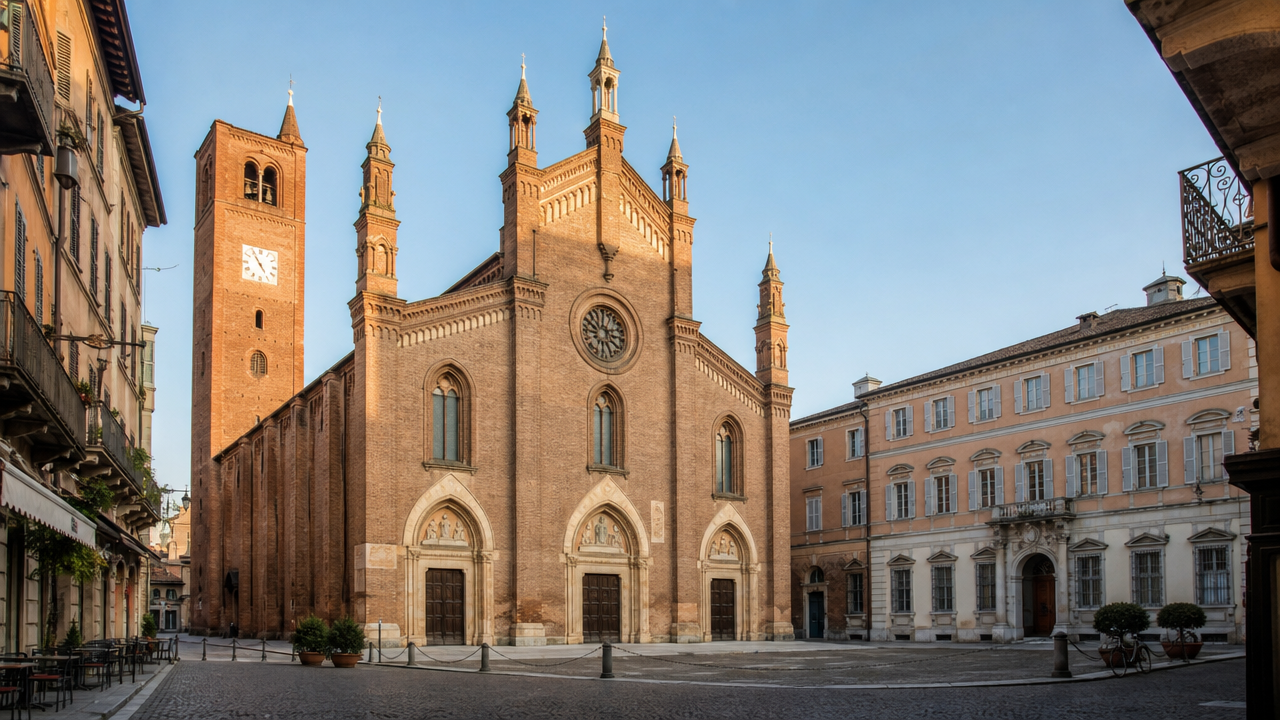
Alba Cathedral
10 min walk
This historic cathedral is located in the heart of the city, providing a quiet architectural contrast to the morning truffle hunt.
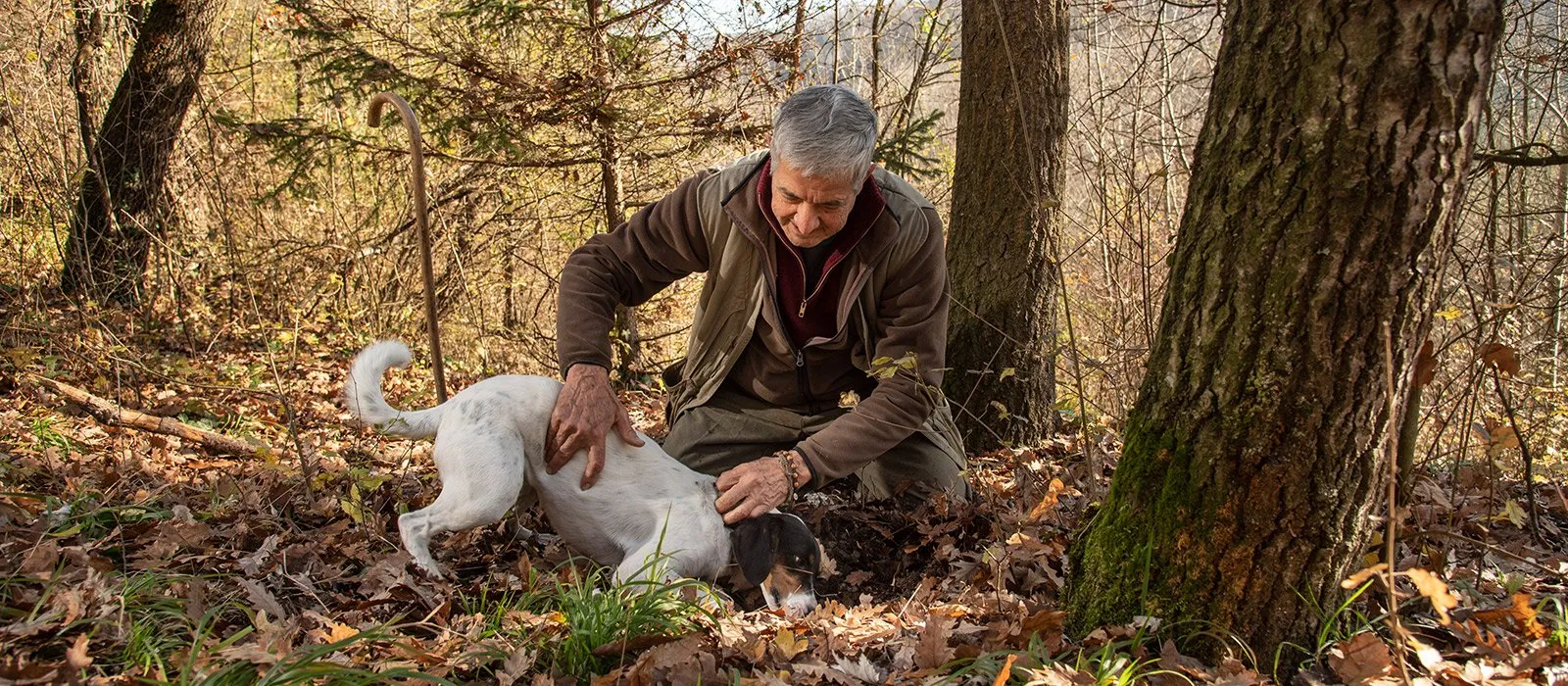
Alba's truffle-hunting tours take guests into the Langhe hills with trained Lagotto dogs and licensed trifolau hunters. Reviews focus on guide expertise, forest terrain, and whether guests witness actual truffle finds. This guide synthesizes recent feedback to clarify what each operator delivers and what to expect in the field.
Quick answer
Truffle hunting Alba reviews consistently highlight operator transparency, dog training quality, and realistic expectations as key factors. Top-rated experiences pair licensed trifolau with well-trained Lagotto Romagnolo dogs in private forest parcels, run between October and December for white truffles or January through March for black varieties. Guest satisfaction hinges on clear communication about find probability and forest conditions rather than guaranteed hauls.
Alba's truffle forests operate on scent, soil moisture, and decades of handler knowledge—not theatrics. The Langhe and Roero territories produce both Tuber magnatum pico (white) and Tuber melanosporum (black), and every hunt begins with a trifolau reading recent rainfall, canopy cover, and ground temperature before releasing the dogs. Reviews from the past eighteen months reveal a clear divide: operators who frame the hunt as ecological theater earn frustrated comments, while those who position it as fieldwork alongside working dogs collect repeat bookings. Guest feedback on truffle hunting in Alba centers on three operational details. First, dog behavior—Lagotto Romagnolo breeds trained to indicate scent without excavating receive the highest marks, as handlers preserve the mycelium network while guests observe the full locate-and-extract sequence. Second, forest access—private parcels managed by the guide's family yield more consistent finds than public zones worked by multiple hunters. Third, post-hunt transparency—operators who explain why a dog ignored a previously productive patch, or why a shallow truffle was left to mature, score better than those who plant specimens to guarantee a photo opportunity. Seasonal timing shapes every review. White truffle season runs October through December, when cooler soil locks in the volatile compounds Lagotto noses detect; January through March shifts focus to black truffles in deeper loam. Morning hunts between eight and ten benefit from overnight humidity, while late-afternoon sessions offer better forest light for photography but warmer ground that disperses scent. Operators who adjust routes based on prior-week rainfall and current canopy moisture appear repeatedly in top-rated feedback. The Langhe hillsides demand moderate fitness—inclines are steady rather than steep, but trails cross uneven forest floor for one to two hours. Reviewers note that sturdy footwear and weather-layered clothing matter more than prior hiking experience. Most tours include a tasting segment where guests sample truffle-shaved dishes prepared by the guide or a partnering agriturismo, and these post-hunt tastings consistently elevate overall ratings when the menu reflects what the dogs actually found that morning rather than a fixed offering.
“The best hunts teach you to read the forest the way the dog does—by scent, slope, and the trifolau's silent hand signals.”
Truffle hunting activities in the Alba region operate on a consistent daily schedule to accommodate private tours. You may plan your visit on any day of the week within the following hours.
Truffle hunting in the Alba region is conducted exclusively through private guided experiences rather than public access sites. Consequently, there is no public entrance fee for accessing the hunting grounds.
Verdict: While the base entry fee is 0 EUR, total costs for participants are determined entirely by the private tour operator selected.
Participating in a truffle hunt near Alba requires advance booking with a licensed guide and preparing for a morning or afternoon forest trek. The full experience—from meeting your guide to returning with fresh truffles—typically spans two to three hours.
Identify reputable truffle hunting operators in the Langhe, Roero, or Monferrato territories through Alba tourism offices or verified review platforms. Many guides require booking several days to weeks ahead, especially during October and November peak season.
Provide your preferred date and time window, noting that morning slots between 08:00 and 11:00 offer cooler temperatures and more active truffle dogs. Clarify whether the hunt accommodates solo travelers or requires a minimum group.
Wear closed-toe hiking boots with good ankle support, long trousers to protect against underbrush, and layered clothing suitable for humid woodland conditions. Guides often recommend bringing a small backpack for water and any truffles you collect.
Arrive at the agreed location—often a roadside meeting point near Alba or within the designated forest zone—at least ten minutes early. Your guide will introduce the trained truffle dog and explain the route.
Stay close as the dog searches, signaling finds by pawing or sitting at the base of oak, hazel, or poplar trees. The guide will carefully excavate truffles and explain identification, soil conditions, and sustainable harvesting.
Truffles uncovered during your session are typically shared among participants or purchased separately; clarify ownership terms with your guide beforehand. Most operators encourage photos but ask that you avoid disturbing active search areas.
Maximize your truffle hunting experience in the Langhe, Roero and Monferrato territories with these practical observations from seasoned visitors.
Wear sturdy, waterproof hiking boots with deep tread to navigate muddy or uneven forest slopes safely. Avoid flat-soled sneakers as they provide insufficient grip on damp, steep terrain.
Speak in low tones while walking through the woods to ensure the truffle dog remains focused. Excessive noise or sudden movements can distract the dog from scenting truffles buried underground.
Do not attempt to pet or call the dog while it is actively searching or digging. Allow the handler to manage the animal to prevent interference with the training and work process.
Dress in layers and wear long trousers to protect your skin from thorns, underbrush, and potential insects. Neutral colors are preferred to keep a low profile in the natural environment.
Stay directly behind the truffle hunter and their dog to avoid disturbing the soil or damaging potential truffle spots. Keeping a narrow path minimizes impact on the delicate ecosystem of the forest floor.
The Langhe, Roero, and Monferrato territories offer a variety of cultural and historical sites that complement the forest-focused experience of truffle hunting. Planning visits to these nearby locations allows for a balanced itinerary that blends outdoor activity with regional heritage.
10 min walk
This historic cathedral is located in the heart of the city, providing a quiet architectural contrast to the morning truffle hunt.
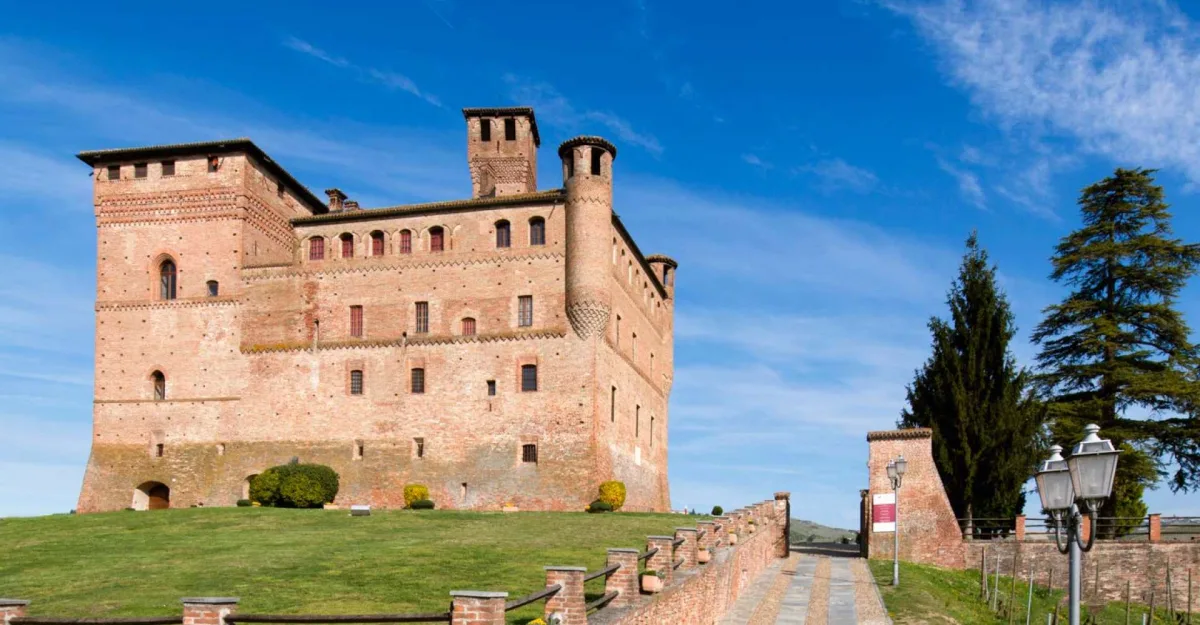
15 min drive
Located in the heart of the wine region, this site offers historical context on the local nobility and wine culture often discussed during hunts.
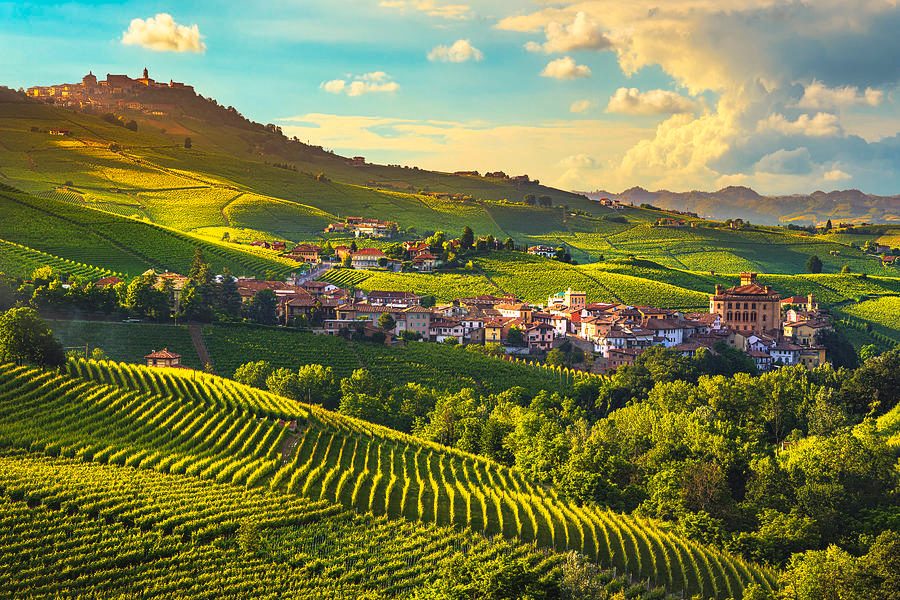
20 min drive
Famous for its namesake wine, this village provides a logical next stop for those interested in the culinary traditions of the Langhe area.
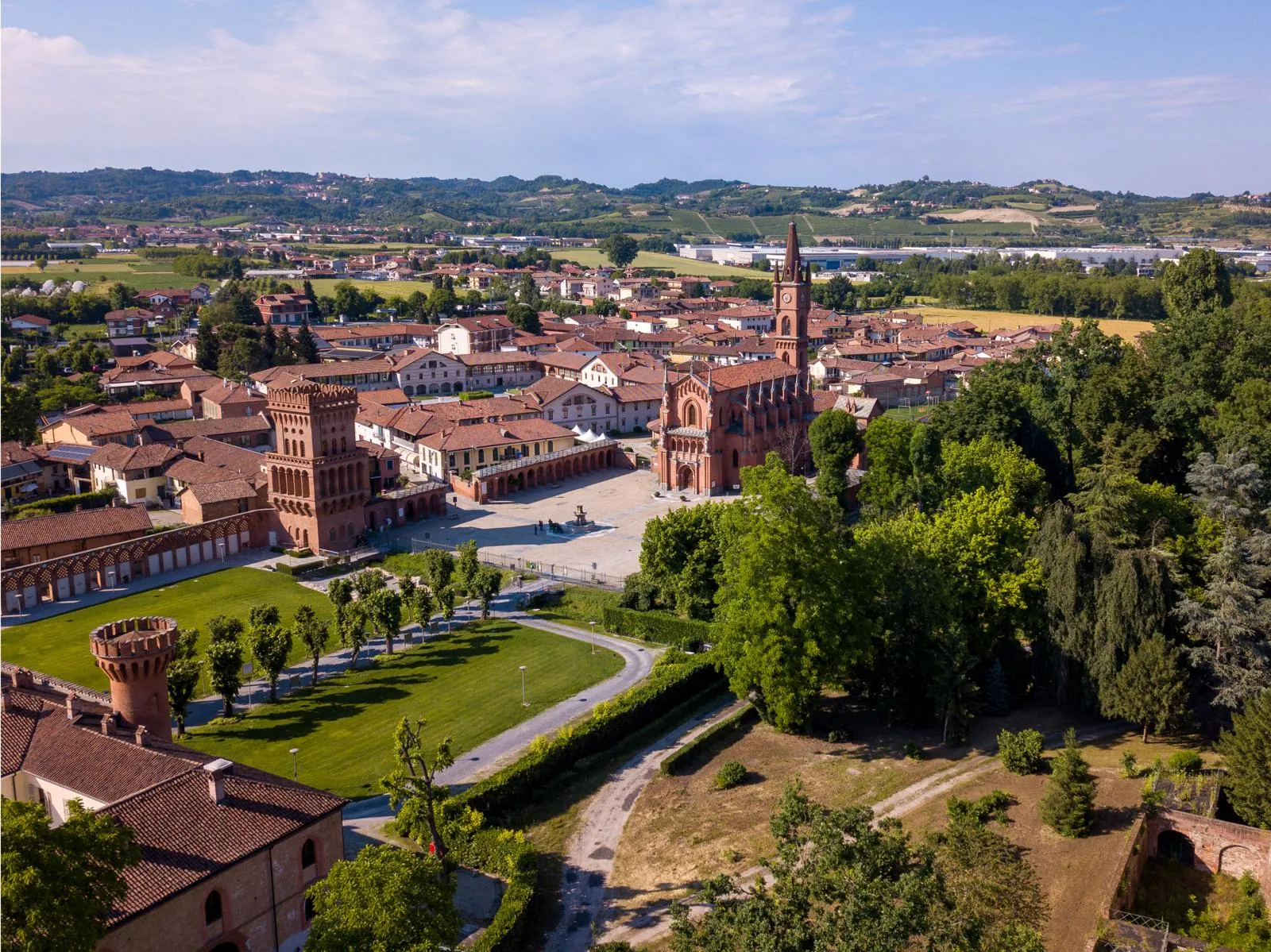
25 min drive
Known as the birthplace of the Slow Food movement, this town aligns with the interest in regional gastronomy found in truffle hunting.
Everything you need to know about truffle hunting alba reviews
Many travelers find that truffle hunting Alba reviews provide useful context regarding the expectations of the excursion and the physical nature of the walk. Reading through these personal accounts can help you select a guide that aligns with your interest in the Piedmontese culinary tradition. Always check the latest truffle hunting Alba reviews to see recent feedback on tour operators. It is common for guests to praise the trained dogs used during these outings for their remarkable scent-tracking abilities and gentle demeanor. These animals are central to the authentic experience in the Langhe hills. Regarding costs, there is a 0 EUR entrance fee to the territory, as these are private tour activities rather than a public site. You should prepare for the specific service fees charged by private truffle hunters, which are separate from site access. Most visitors looking for truffle hunting Alba reviews note that the morning and late afternoon hours offer the most comfortable forest temperatures. The optimal window for your arrival is between 08:00 and 18:30 to ensure good light for the canine search. Families often share their experiences in various truffle hunting Alba reviews, noting that children can learn much about local ecology during the walk. It is wise to confirm the specific age suitability with your chosen guide before booking. The hunt takes place in the Langhe, Roero and Monferrato territories, which feature varied hilly terrain. Sturdy footwear is recommended to navigate the woodland paths where the fungi grow. To get the most out of your trip, follow advice from recent truffle hunting Alba reviews regarding attire and advance booking. Dressing in layers and wearing comfortable shoes is highly advised for the changing conditions of the Italian countryside.
What is Truffle Hunting in Italy
Read more Tickets & toursWhite Truffle Hunting Alba
Read more GuideBest Truffle Hunting in Alba
Read more Tickets & toursTruffle Hunting Experience in Alba
Read more GuideWhat is Truffle Hunting
Read more GuideTruffle Hunting with Dogs
Read more GuideAlba Truffle Hunting Season
Read more Tickets & toursPrivate Truffle Hunting in Alba
Read more